
Red deer (Cervus elaphus) Linnaeus, 1758
The red deer (Cervus elaphus) occurs in Europe (including parts of the Scandinavian Peninsula as well as Central and Southern Europe), in Asia — from the region of the Black Sea to the Sea of Okhotsk and the Sea of Japan — and also in north-western Africa (the Atlas Mountains). The species has also been introduced to South America, Australia, and New Zealand. It primarily inhabits lowland and montane deciduous and mixed forests.

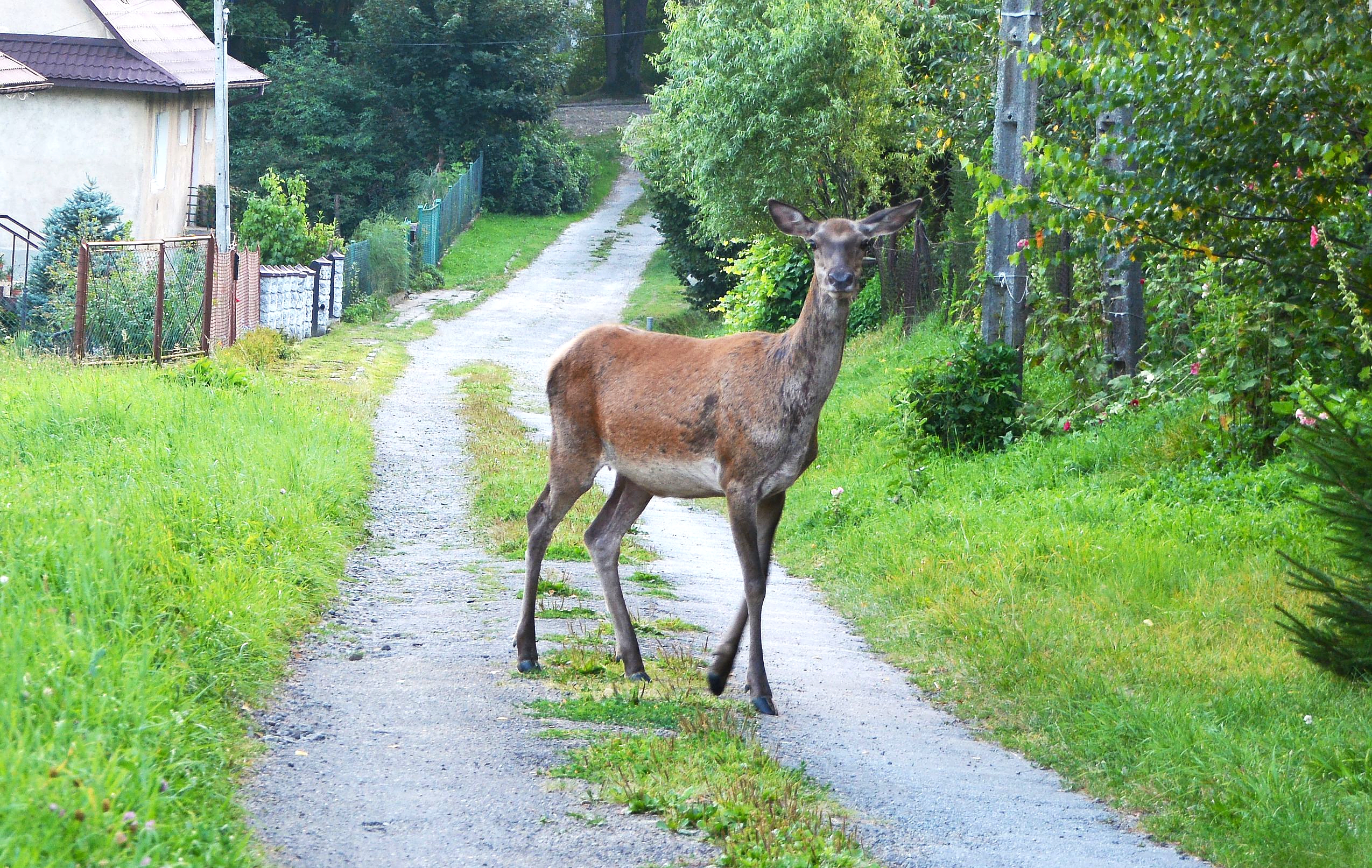
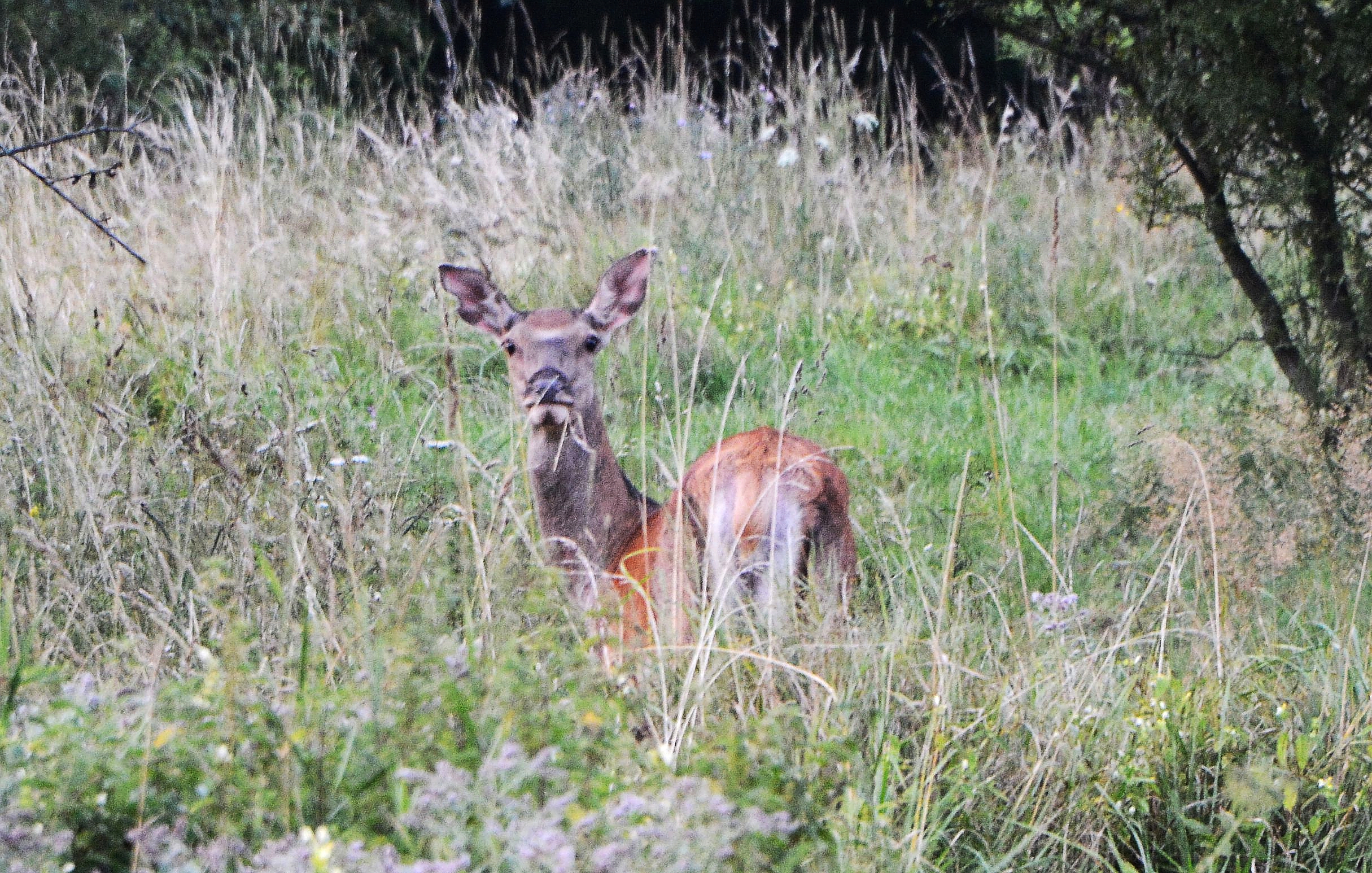
Species characteristics
It is one of the largest species in the deer family. It can reach up to 2.5 m in length, up to 1.5 m at the shoulder, and a body weight of up to 350 kg (with a maximum recorded weight of as much as 497 kg). Males (stags) of all subspecies of the red deer possess large antlers, which are shed between late February and March. New antlers begin to grow in early spring and reach their maximum size in early summer.
The red deer is active mainly at dusk and at night, although it may also be active during the day. For safety reasons, it usually begins feeding after sunset and returns to its shelters in dense forests at dawn. It is strictly herbivorous. Stags often take mud baths, which help them get rid of parasites. During the rutting season, they may lose between 10 and 15% of their body weight. In the wild, red deer typically live up to 12–15 years.
The rutting season of red deer begins in the second half of September. Females (hinds) give birth to one, less often two calves after approximately 234 days of gestation. Births take place in May and June. The young are able to follow their mother just a few days after birth.