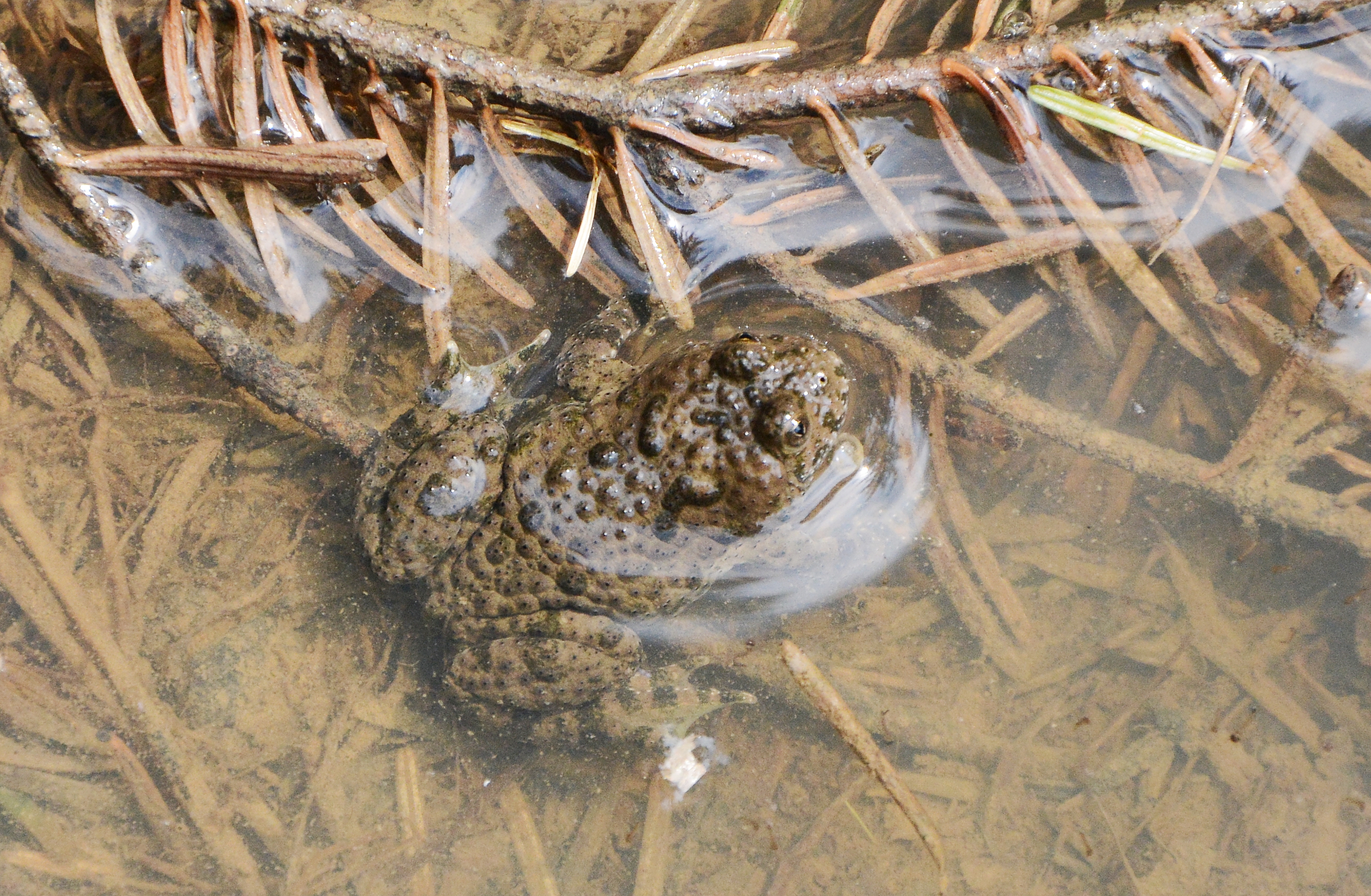
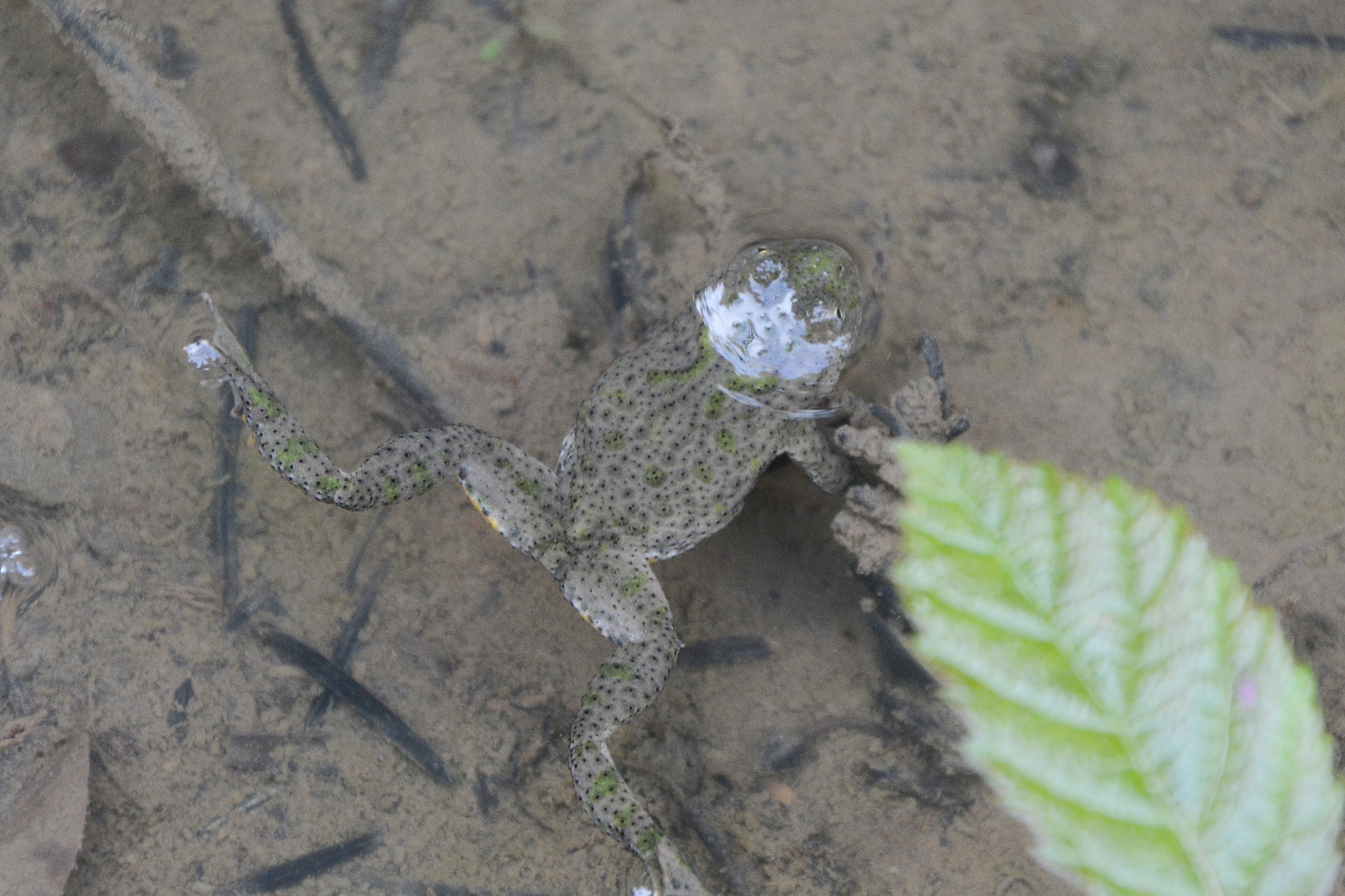
Yellow-bellied toad, Bombina variegata (Linnaeus, 1758)
Yellow-bellied toad (Bombina variegata) is a small tailless amphibian found in Central and Southern Europe, as well as Western Europe up to central France. To the east, its range includes the Carpathians, Italy, and the Balkans. Within its range, it forms several subspecies, such as Bombina variegata variegata (main part of the range), Bombina variegata pachypus (southern Italy), and Bombina variegata scabra (the Balkans).
In areas where its range meets that of the lowland fire-bellied toad (Bombina bombina), it forms multi-generational interspecific hybrids, creating the so-called hybrid zone.


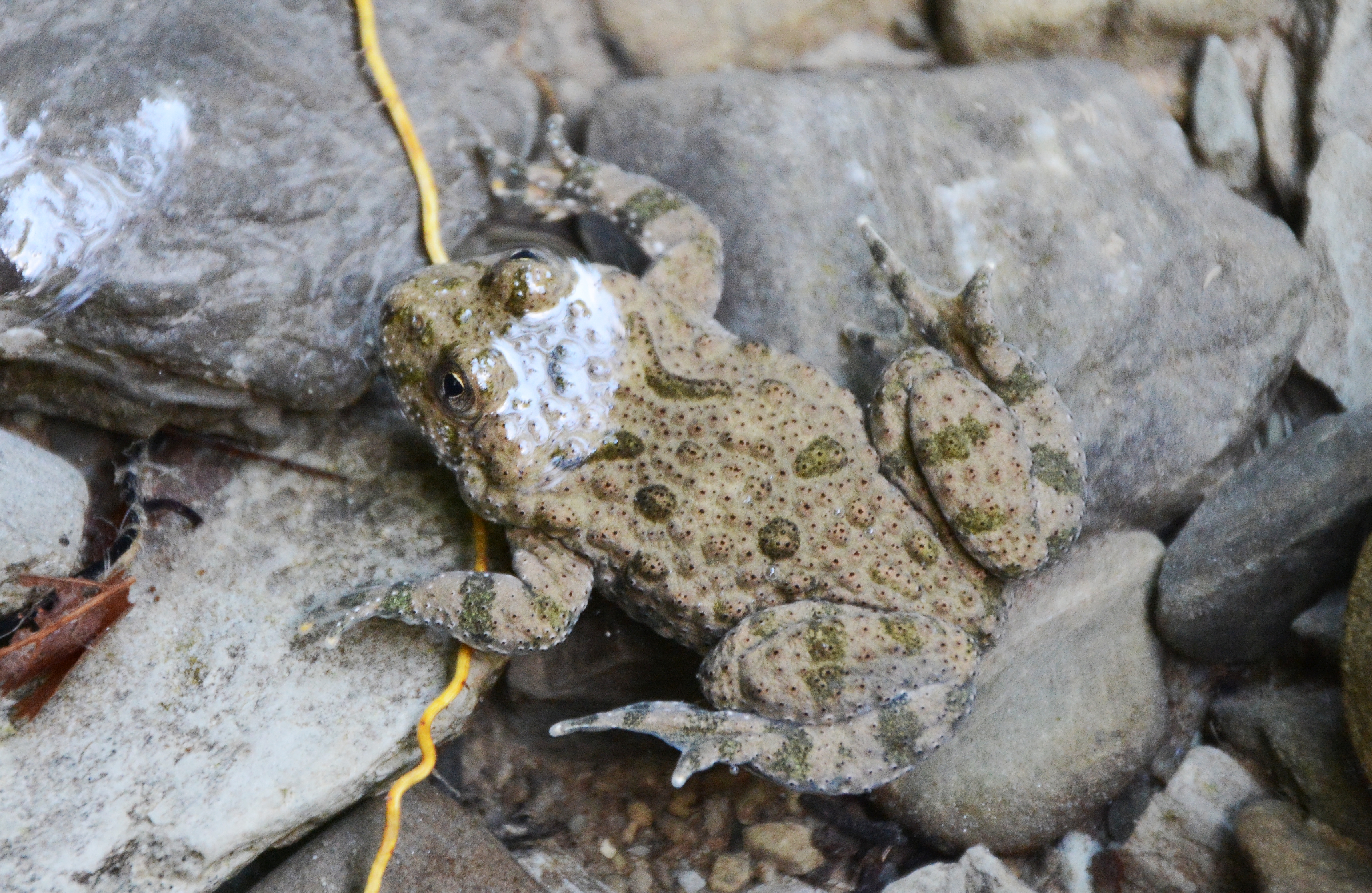
Species characteristics
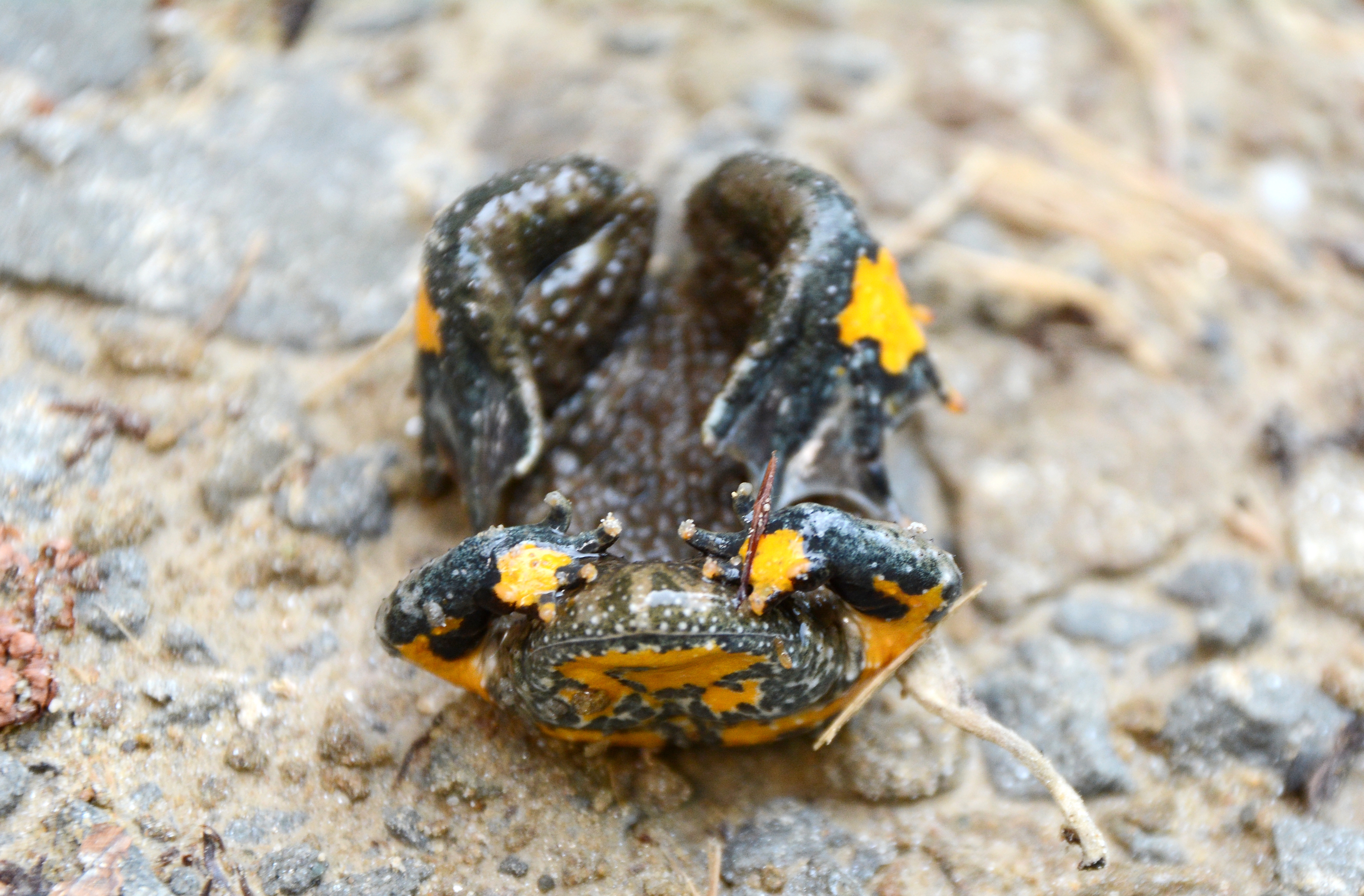
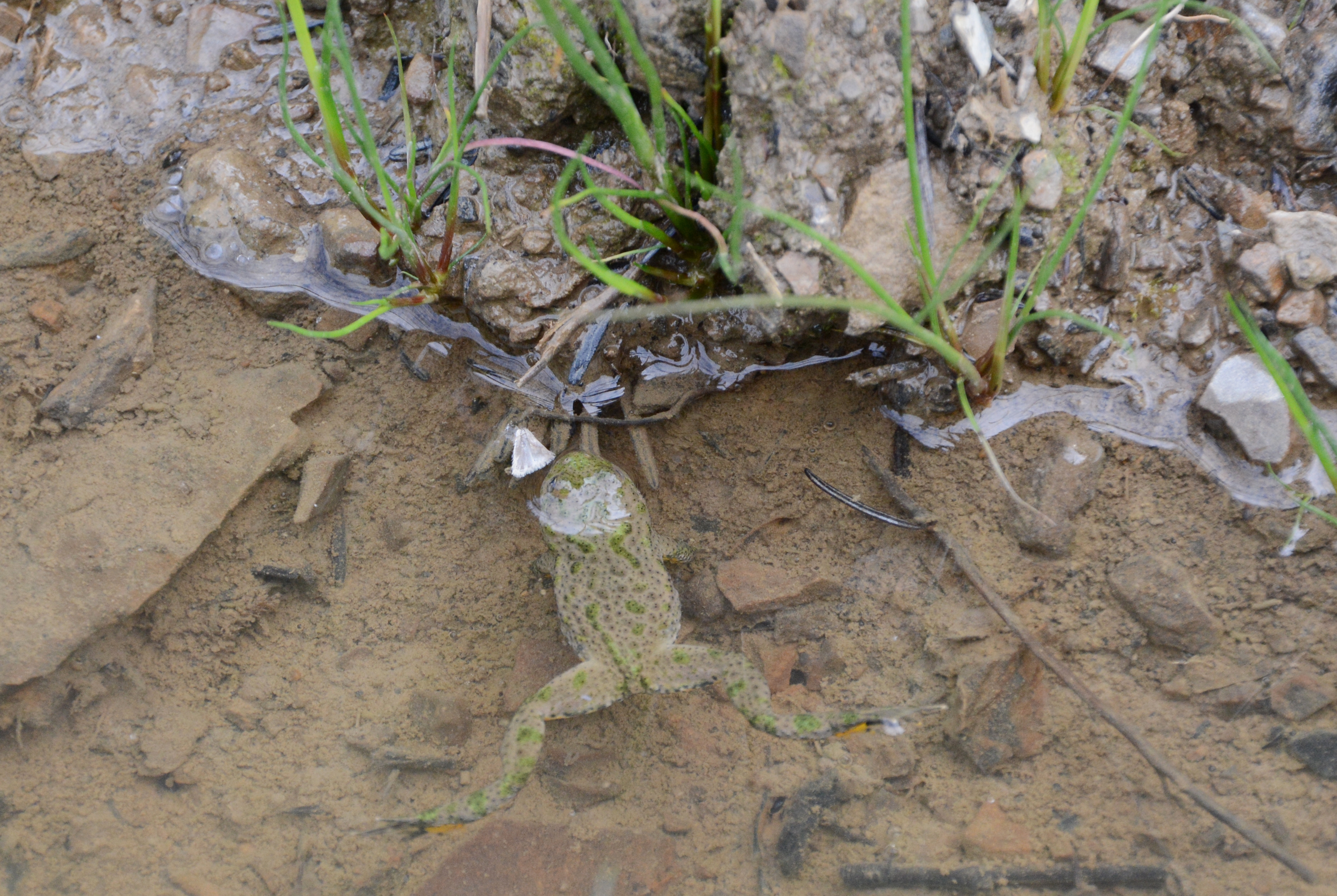
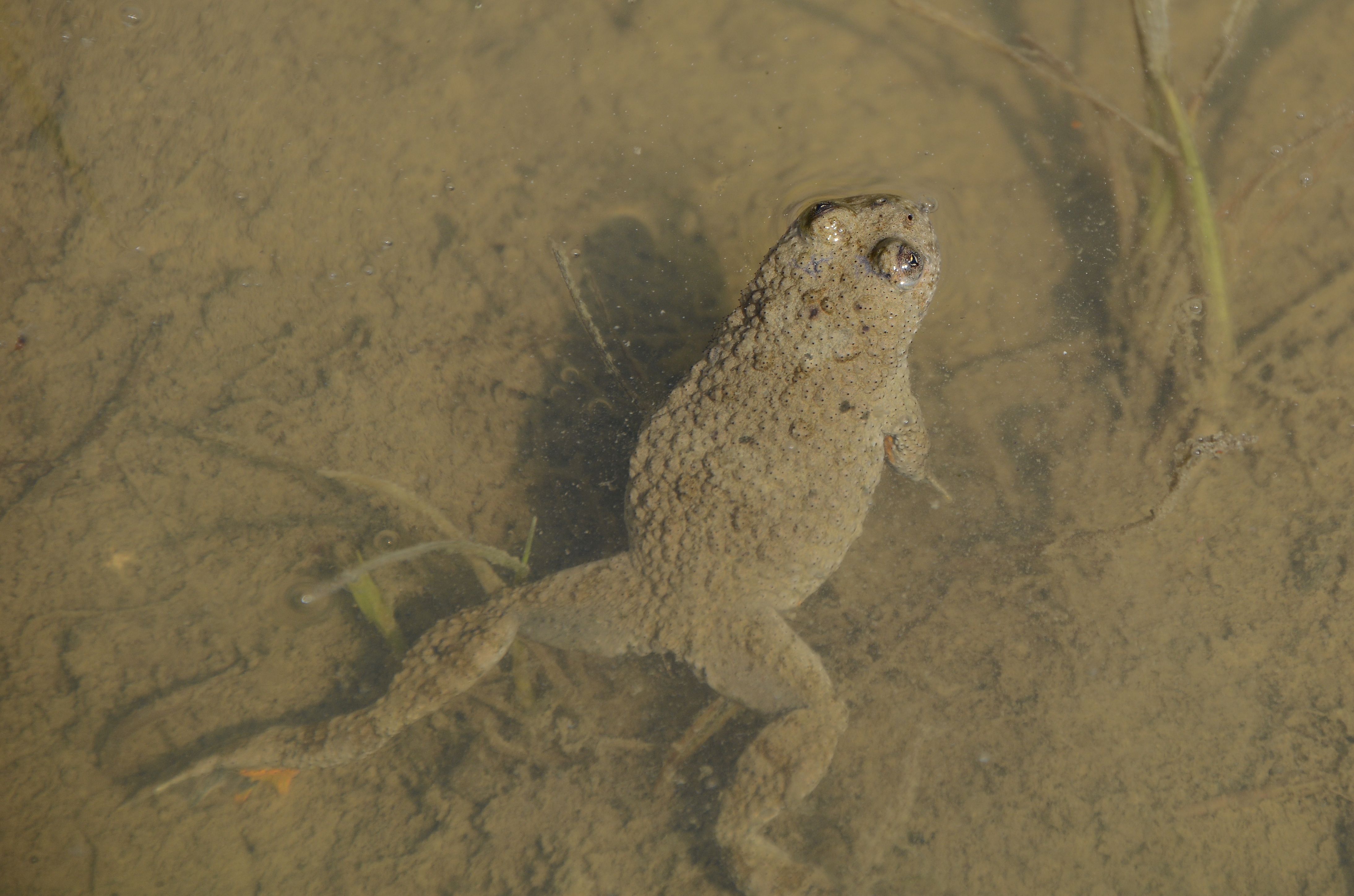
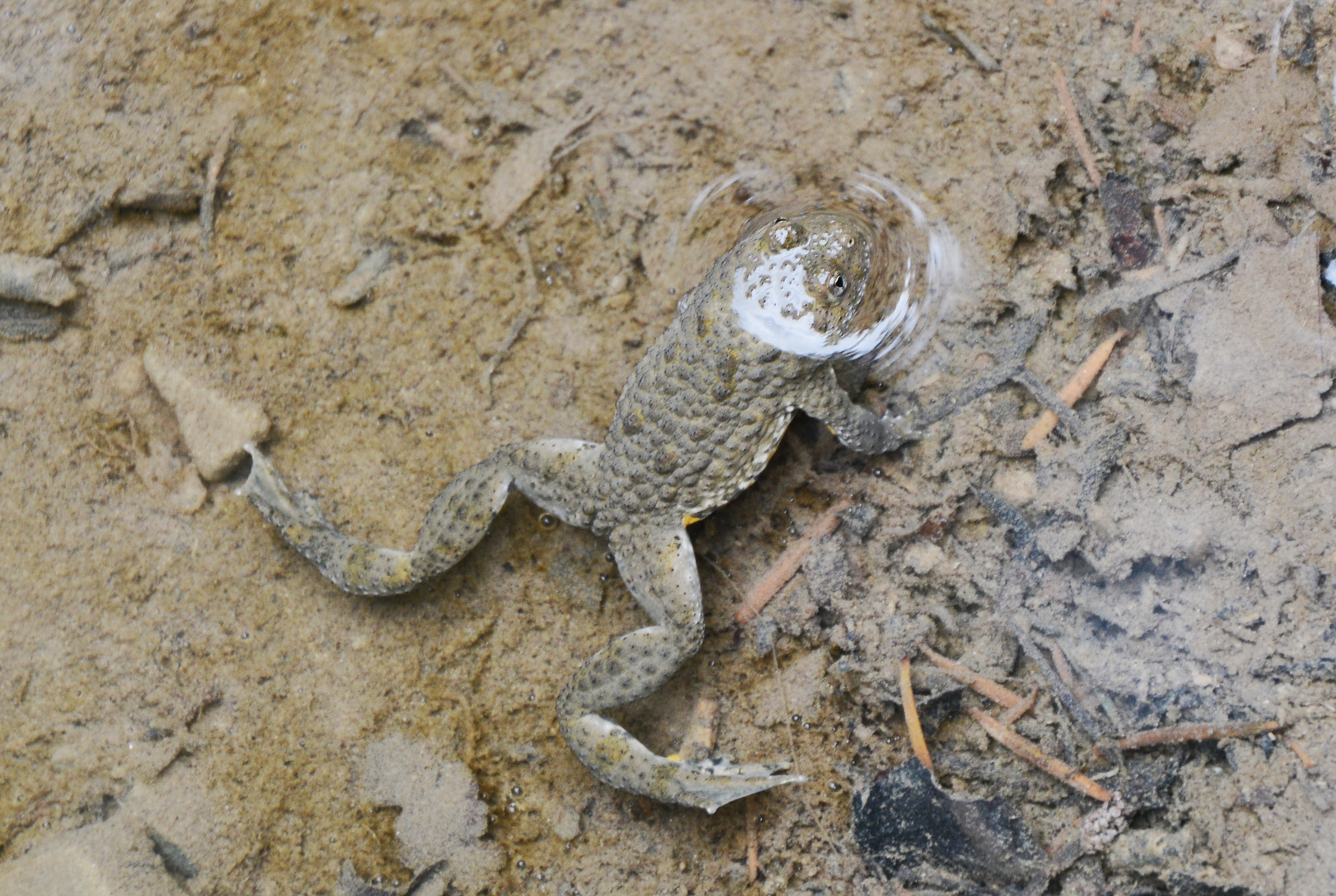
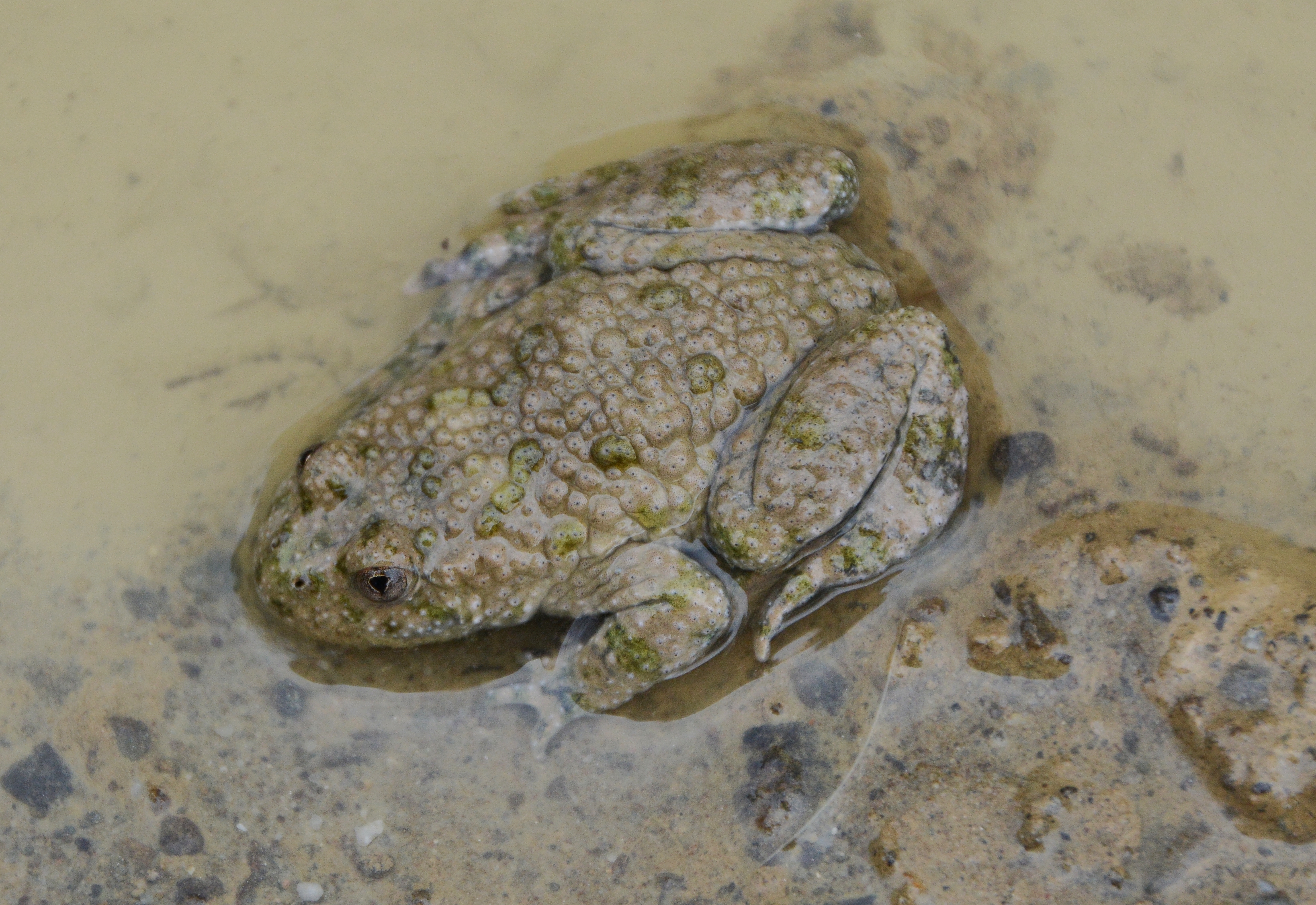
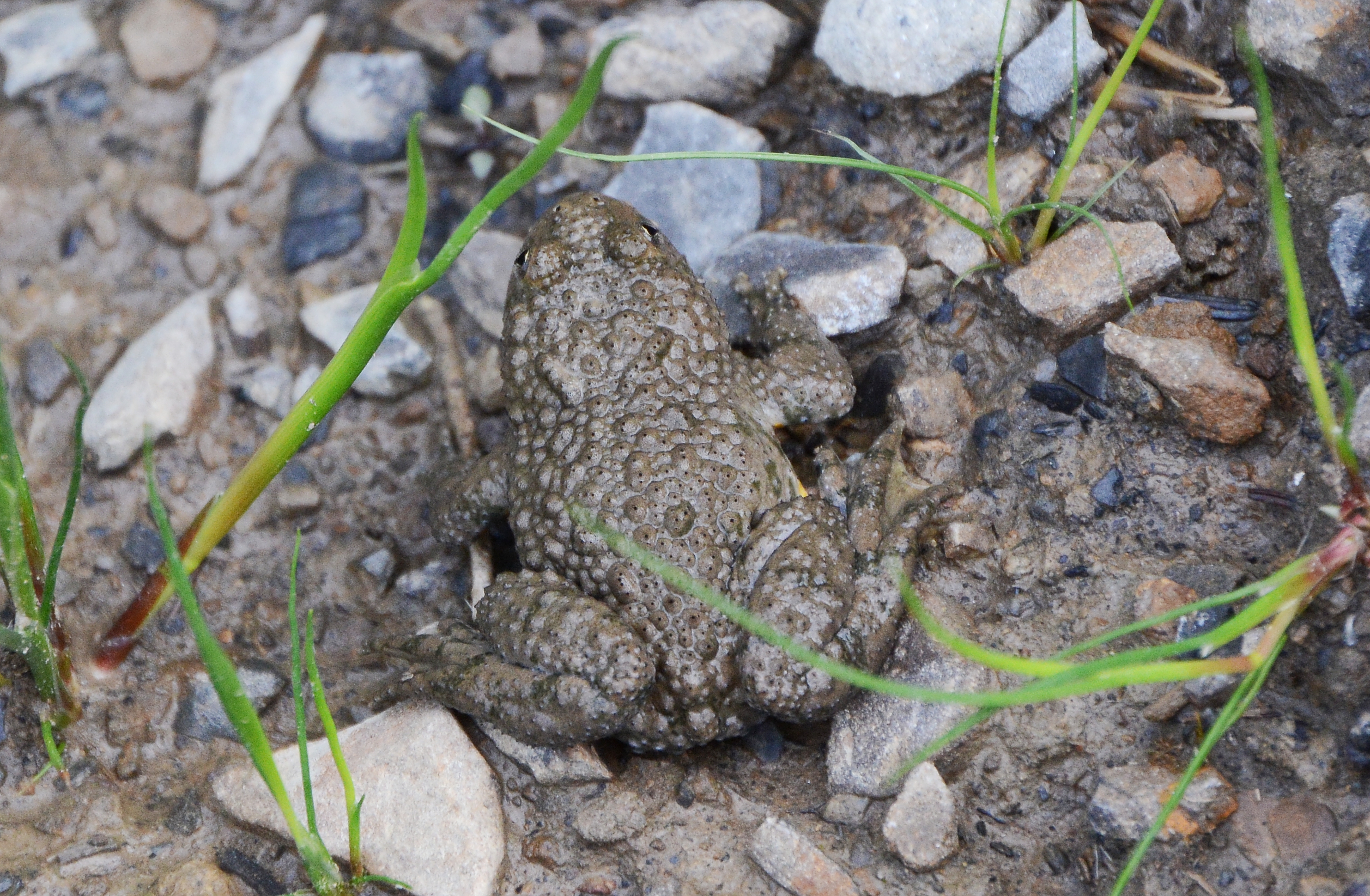
The yellow-bellied toad is a small amphibian, with a body length of up to 6 cm, easily recognizable by the distinctive coloration of its belly. It has yellow or orange spots, which serve as a diagnostic feature distinguishing the yellow-bellied toad from the lowland fire-bellied toad. The chest spots are connected to the shoulder spots, and the pelvic spots to the thigh spots (in the lowland species, these spots are separate). Interestingly, the pattern of spots is unique to each individual, allowing for identification throughout its life. When threatened, the yellow-bellied toad sometimes adopts a characteristic defensive posture, known as the Unken reflex, exposing the warning colors on its limbs and throat (contrary to common belief, it does not roll onto its back).
This species is thermophilic and strongly associated with mountainous areas, usually found at altitudes above 300 m (984 ft) above sea level. It breeds in various types of water bodies, such as ditches, ruts, puddles, gravel pits, or temporary depressions that fill with water.
The yellow-bellied toad is under strict species protection and is considered threatened.